
light up bathroom vanity mirror
Understanding the Three Types of Control Valves Control valves are integral components in various industrial processes, regulating the flow of fluids in a system. Their primary function is to maintain the desired flow rate, pressure, or liquid level, and they can be classified into three major types globe valves, ball valves, and butterfly valves. Each has its distinct features, advantages, and applications, allowing them to cater to diverse operational requirements. 1. Globe Valves Globe valves are widely used for regulating flow in piping systems. Characterized by a spherical body shape, these valves contain an internal baffle that divides the flow chamber into two halves, thereby controlling the fluid flow passage. When the valve is turned, the baffle moves either upward to allow greater flow or downward to restrict it. Advantages One of the key benefits of globe valves is their exceptional throttling capabilities. They provide precise control over the flow rate, making them ideal for applications requiring fine adjustments. Moreover, their design helps to minimize turbulence in the flow, which is advantageous in maintaining a consistent operation. Applications Globe valves are typically used in situations where flow regulation is critical, such as in domestic water systems, chemical processing, and heat exchangers. Their ability to maintain the required pressure gives them an edge in critical control applications. 2. Ball Valves Ball valves utilize a spherical disc, known as the 'ball,' to control the flow. When the valve handle is rotated, the ball aligns with the flow path to either allow or block the passage. This simple yet effective design provides a tight seal and ensures a high flow rate with minimal resistance. three types of control valves Advantages The primary advantage of ball valves is their ability to provide a quick shut-off. They can transition from open to closed positions with just a quarter turn, making them suitable for on/off applications. Furthermore, they tend to maintain a straightforward and compact design, which saves space in piping layouts. Applications Ball valves are commonly found in a variety of systems, including water supply lines, natural gas processing, and oil pipelines. Their robust build and reliability make them a favorite in industries where quick responsiveness is paramount. 3. Butterfly Valves Butterfly valves feature a circular disc that rotates within the valve body to control the fluid flow. The disc is positioned in the center of the pipe, and when opened, it allows fluid to flow through the valve, while closing the disc restricts the flow. The operation of butterfly valves is characterized by their efficient flow control and lower pressure drop. Advantages Butterfly valves are prized for their lightweight and compact design, enabling easy installation and minimal space requirements. They also provide a relatively simple operation compared to other valve types. Additionally, they can handle larger volumes of flow efficiently and can be used in both fully open and partially open positions to regulate flow. Applications These valves are extensively used in HVAC systems, water distribution, and wastewater treatment plants. Their ability to manage large quantities of fluids while maintaining a low-pressure drop makes them particularly suitable for large-scale operations. Conclusion Understanding the three types of control valves—globe, ball, and butterfly—is essential for selecting the appropriate valve for specific applications. Each type has its own set of advantages that cater to varying industrial needs, from precise flow regulation to quick shut-off capabilities and efficient high-volume flow management. By recognizing the distinctive features and ideal use cases of these control valves, engineers and operators can make informed decisions that enhance system performance and reliability. In a world increasingly dependent on effective fluid control, leveraging the right valve technology is a critical step towards achieving operational excellence.
about
light up bathroom vanity mirror
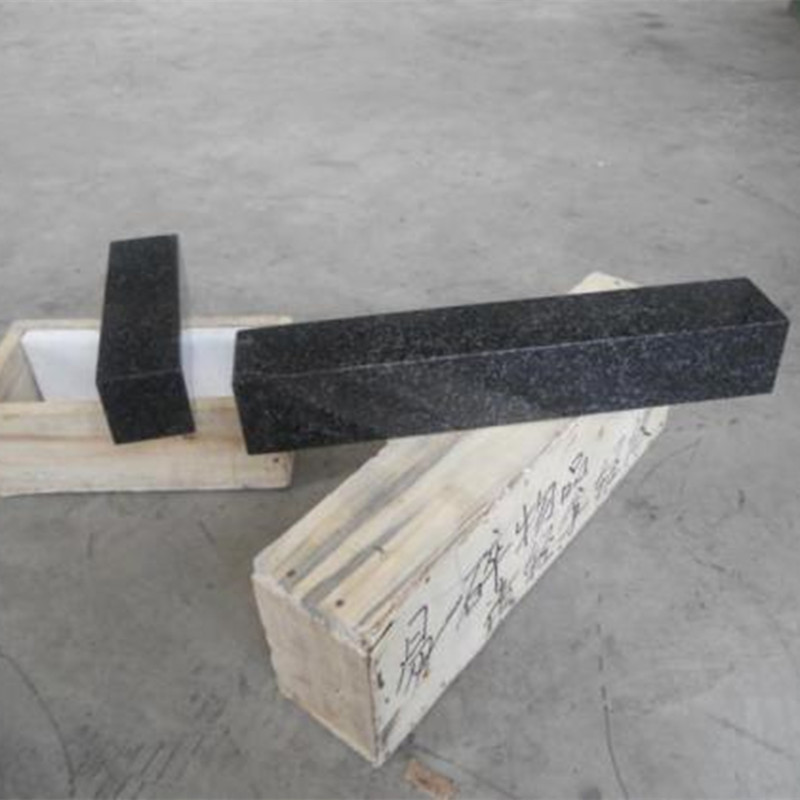
Tasomittari – Tasonhallinnan Työkalu Tasomittari, eli level ruler, on tärkeä työkalu monilla eri aloilla, kuten rakennusteollisuudessa, insinöörityössä ja jopa arkkitehtuurissa . Se on suunniteltu auttamaan käyttäjiä mittaamaan ja hallitsemaan tasoja tarkasti. Tämä artikkeli käsittelee tasomittarin käyttöä, sen hyötyjä ja erilaisia malleja. Tasomittarin perusidea on yksinkertainen se tarjoaa tarkan tason määrittämisen, joko horisontaalisesti tai vertikaalisesti. Perinteisissä tasomittareissa on usein pitkä, suora muoto, jossa on vesitasonäyttö, joka auttaa käyttäjää arvioimaan, onko pinta tasainen. Nykyaikaiset tasomittarit, kuten laseritasomittarit, tarjoavat vielä tarkempaa mittausta ja helpompaa käyttöä; ne projisoivat laserlinjan, jonka avulla voit tarkistaa tason paljon laajemmalta alueelta. Tasomittarin käyttö on ehdottoman tärkeää rakennusprojekteissa. Esimerkiksi seinien, lattioiden ja kattojen rakentamisessa on välttämätöntä varmistaa, että ne ovat oikeassa tasossa. Jos yksi osa rakennuksesta on epätasainen, se voi aiheuttaa ongelmia pitkällä aikavälillä, kuten vesivuotoja, rakenteellisia vaurioita tai jopa turvallisuusongelmia. Tasomittarin avulla rakentajat voivat estää tällaisia ongelmia ennen kuin ne ilmenevät. level ruler Yksi tasomittarin suurista eduista on sen käyttäjäystävällisyys. Vaikka se vaatii jonkin verran taitoa ja kokemusta, perustason opettaminen on melko helppoa. Useimmat ihmiset pystyvät oppimaan käyttämään perinteistä tasomittaria nopeasti, kun taas laseritasomittarit voivat vaatia hieman enemmän perehtymistä, mutta niiden käyttö on yhä suoraviivaista. Erilaisia tasomittareita löytyy markkinoilta useita, ja niiden valinta riippuu pitkälti käyttäjän tarpeista. Perinteiset vesitasot ovat edelleen suosittuja, koska ne ovat edullisia ja suhteellisen kestäviä. Laseritasot tarjoavat kuitenkin huomattavasti enemmän tarkkuutta ja joustavuutta, ja ne ovat erityisen hyödyllisiä suuremmissa projekteissa, joissa mittausten on oltava mahdollisimman tarkkoja. Tasomittarin merkitystä ei voi aliarvioida. Se on työkalu, joka mahdollistaa tarkkuuden, tehokkuuden ja ennen kaikkea turvallisuuden. Rakennusalan ammattilaiset tietävät, että hyvä perusta alkaa tarkasta tasonmittauksesta, ja siksi tasomittari on yksi heidän tärkeimmistä välineistään. Lopuksi voidaan todeta, että tasomittarit ovat välttämätön osa jokaisen rakennusprojektin onnistumista. Ne auttavat varmistamaan, että jokainen elementti on paikoillaan ja kutsuu rakentajia, arkkitehtejä ja insinöörejä mukanaan matkaansa tarkkuuden ja laadun maailmaan. Ammattiosaajat hyödyntävät niitä päivittäin, ja niiden merkitys vain kasvaa, kun rakennusprojektit muuttuvat yhä vaativimmiksi. Tasomittarit – yksinkertainen mutta tehokas työkalu, joka tekee ihmeitä tasojen hallinnassa.
-

High quality industrial productsagement

High quality industrial products
View Details -

Meet the diverse needs of customers

Meet the diverse needs of customers
View Details -

Strict quality control

Strict quality control
View Details -

Top raw materials

Top raw materials
View Details -

Trusted supplier

Trusted supplier
View Details
Our application

news and information

Wood Villa House Truss Repair Mending Nails and Plates Solution
The Essential Role of Truss Mending Nail Plates in Wooden Villa Construction In the realm of archit
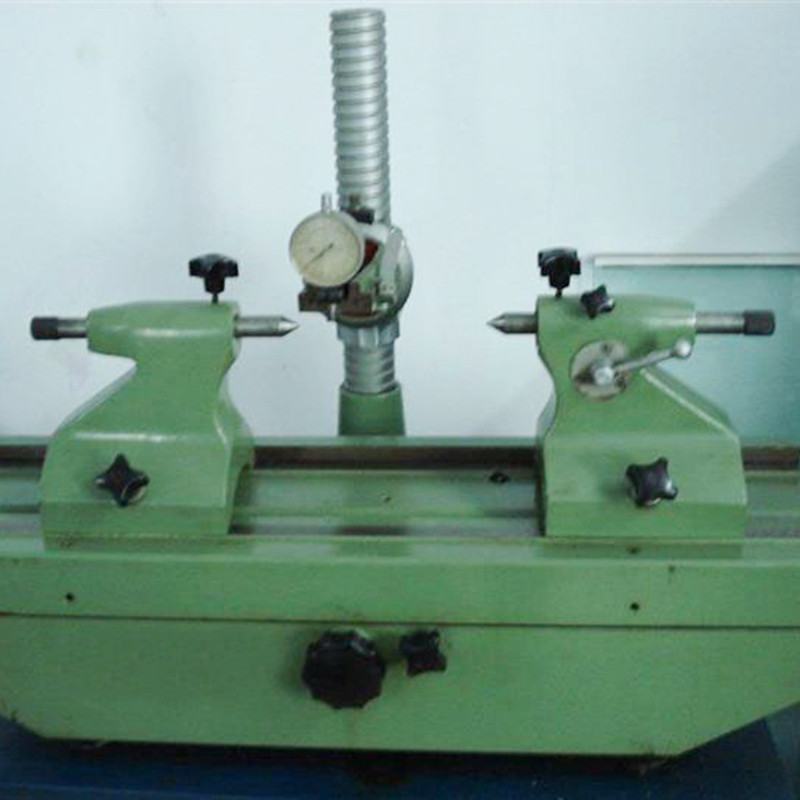
Vertical Y Strainer for Efficient Fluid Filtration Solutions
Understanding Vertical Y Strainers A Key Component in Fluid Systems In various industrial and munici
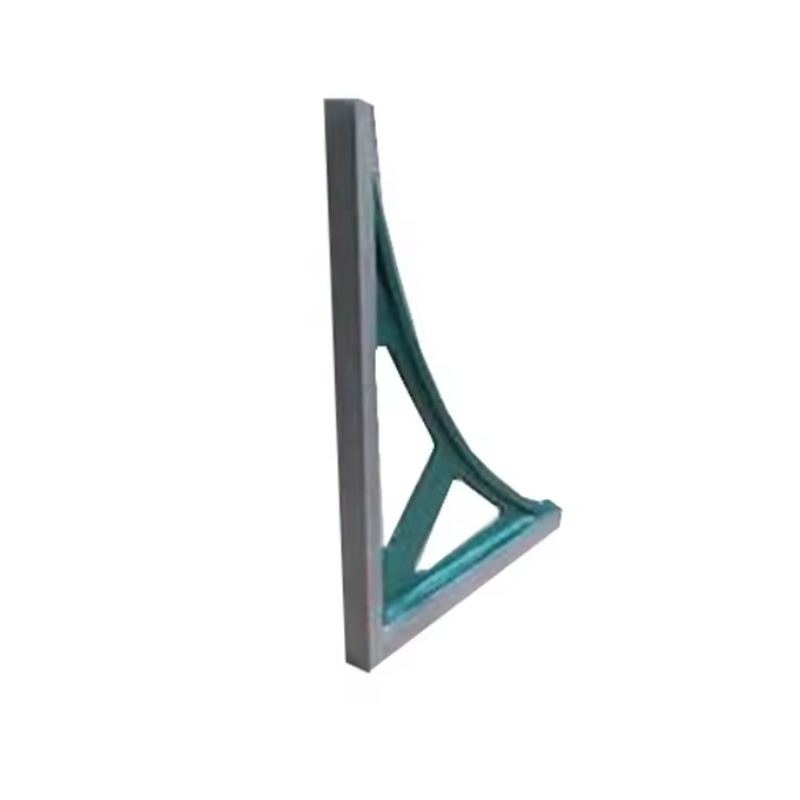
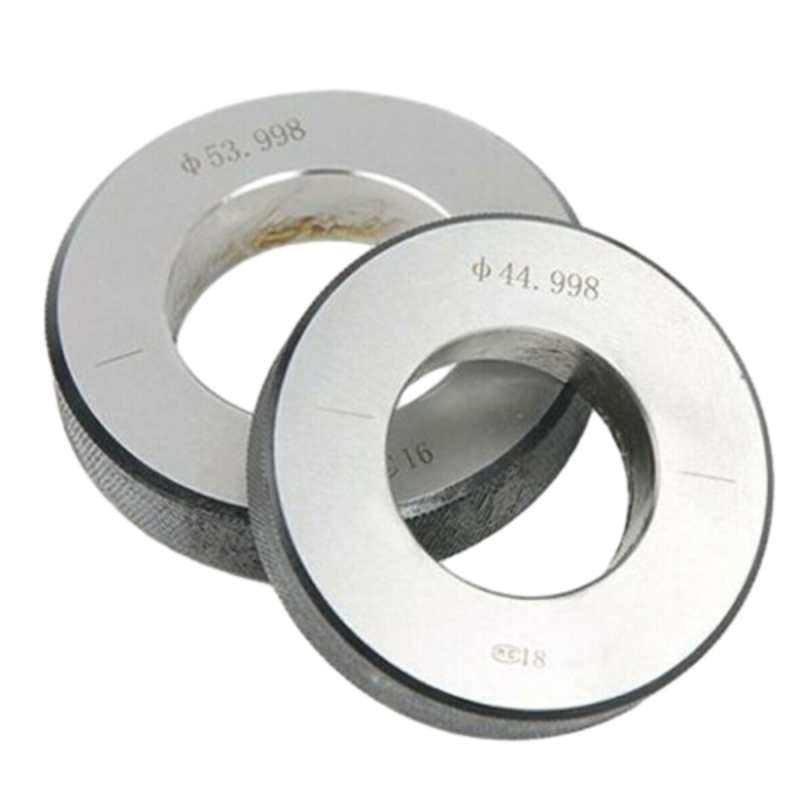
using bore gauge
An Essential Guide to Using Bore Gauges Bore gauges are indispensable tools in machining and manufac
 English